Global Tensions and Natural Phenomena Mark August 13, 2026
An original AI-assisted EUROSMI report based on multiple cited sources.
On August 13, 2026, several significant developments unfolded across the globe, reflecting ongoing geopolitical tensions, public health crises, and natural phenomena.
In the realm of international politics and economics, the United States under the Trump administration has reverted to a strategy focused on economic pressure to influence Iran. After a military campaign failed to compel the Iranian regime to concede, the U.S. has intensified economic sanctions and implemented a naval blockade aimed at curbing Iran's oil exports. Bloomberg reports that these measures are designed to squeeze the Iranian economy, though the effectiveness and broader implications remain subjects of debate. Concurrently, Iran disputes claims made by the Trump administration regarding the status of the Strait of Hormuz, a critical maritime chokepoint. CNBC highlights that despite U.S. assertions, Iran maintains that the strait remains blocked, though shipping traffic has declined to near three-month lows. This discrepancy underscores the ongoing contest for control and influence in the region, with potential ramifications for global energy markets.
In Eastern Europe, the conflict between Russia and Ukraine continues to disrupt grain exports crucial to global food supplies. According to the BBC, major Russian grain export terminals in Ukraine's Black Sea ports have been targeted, resulting in a significant drop in shipments from both countries. This escalation exacerbates existing tensions and threatens to impact food security beyond the immediate conflict zones.
Turning to public health, the World Health Organization (WHO) has issued a stark warning regarding the Ebola outbreak in the Democratic Republic of Congo. As reported by Euronews, WHO chief Tedros Adhanom Ghebreyesus indicated that the outbreak is on track to surpass the deadliest Ebola epidemic recorded in West Africa between 2014 and 2016. The rapid spread and high fatality rate of the virus present a grave challenge to regional and international health systems, emphasizing the need for urgent and coordinated response efforts.
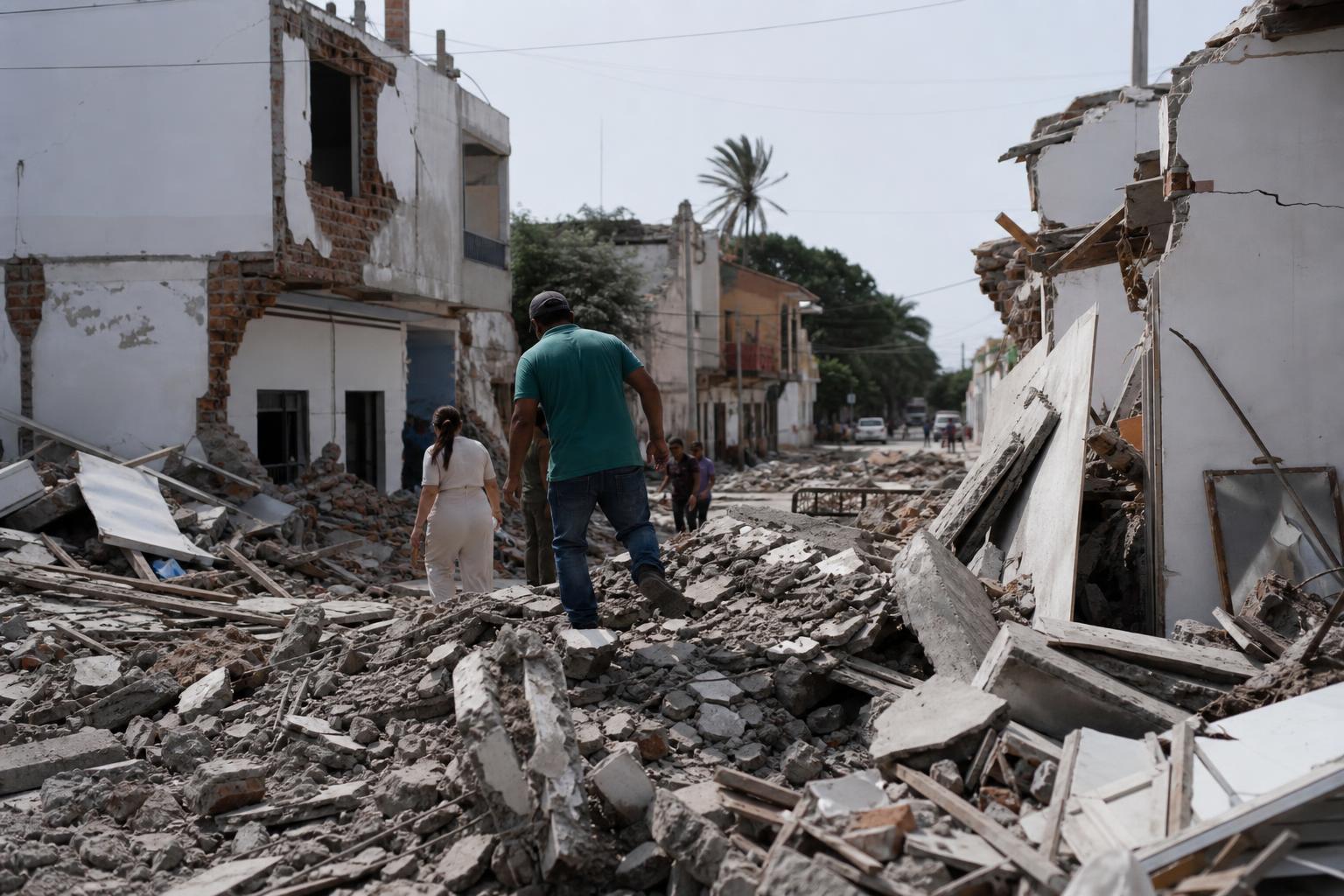
In Latin America, Colombia is grappling with the aftermath of a devastating earthquake that has claimed at least 265 lives. Al Jazeera English details that search and rescue operations have entered their final phase, with President de La Espriella pledging to establish an emergency fund dedicated to rebuilding critical infrastructure, including hospitals and schools. The disaster highlights the vulnerability of the region to natural calamities and the importance of resilient recovery mechanisms.
Meanwhile, Venezuela's interim government and opposition have concluded their initial round of talks with agreements focused on judicial reform and accessing frozen funds held in the Bank of England. France 24 reports that these developments could signal a tentative step toward resolving the country's prolonged political and economic crisis, although the path ahead remains uncertain.
On a different note, Europe is preparing for a rare and spectacular natural event—a total solar eclipse. The Guardian provides guidance on the best locations to witness the phenomenon safely, emphasizing public interest and scientific observation opportunities. This event offers a momentary respite from the prevailing global challenges, drawing attention to the wonders of the natural world.
Lastly, in the United States, the Wisconsin Governor primary election results are being closely watched. The Associated Press is providing live updates, reflecting the dynamic nature of domestic politics and its potential implications for the broader national landscape.
In summary, August 13, 2026, is marked by a complex interplay of geopolitical maneuvers, health emergencies, natural disasters, and celestial events. The economic sanctions and naval blockade against Iran illustrate the persistent volatility in Middle Eastern affairs, while the Ebola outbreak in Congo underscores ongoing global health vulnerabilities. Concurrently, natural disasters and political negotiations in Latin America reveal the multifaceted challenges faced by nations striving for stability and recovery. Amid these developments, the total solar eclipse over Europe offers a unifying spectacle, reminding humanity of shared experiences beyond conflict and crisis.
Sources used
- Bloomberg — Trump Reverts to Economic Squeeze of Iranian Regime
- Euronews — Congo’s Ebola outbreak on track to surpass deadliest in history, WHO chief says
- Al Jazeera English — Search efforts in Colombia enter ‘final phase’ as quake toll reaches 265
- BBC News — Major Russian grain export terminals hit in Ukraine Black Sea port attack
- France 24 — Venezuela talks end with agreement on judicial reform and frozen funds
- CNBC — ‘Hormuz remains blocked’: Iran disputes Trump claims as traffic sinks to near 3-month lows - CNBC
- The Guardian — Europe’s total solar eclipse: the best place to see it and how to view it safely - The Guardian
- Associated Press — Wisconsin Governor Primary Election Live Results 2026 - AP News
AI Summary
The AI analysis uses published sources only. It may contain errors and does not replace the original report. How AI is used →
Economic sanctions intensify against Iran amid disputed claims over the Strait of Hormuz, while a severe Ebola outbreak threatens to surpass historical records in Congo. Meanwhile, Europe prepares for a rare total solar eclipse, and recovery efforts continue in Colombia after a devastating earthquake.
The significance of this report depends on the decisions, official reactions or confirmation that follow. The current assessment is initially based on reporting by EUROSMI.
Readers should distinguish established facts from initial claims. Practical consequences will become clearer through responses from authorities, markets or independent sources.
Watch for official statements, independent confirmation of the key details and updates to the original report.
The analysis is limited to the facts in this report. Other stories in the same category are not presented as independent confirmation.
13.08.2026 07:00 — EUROSMI. Further confirmed developments will be added as they become available.
Ask AI
Latest news
Show more →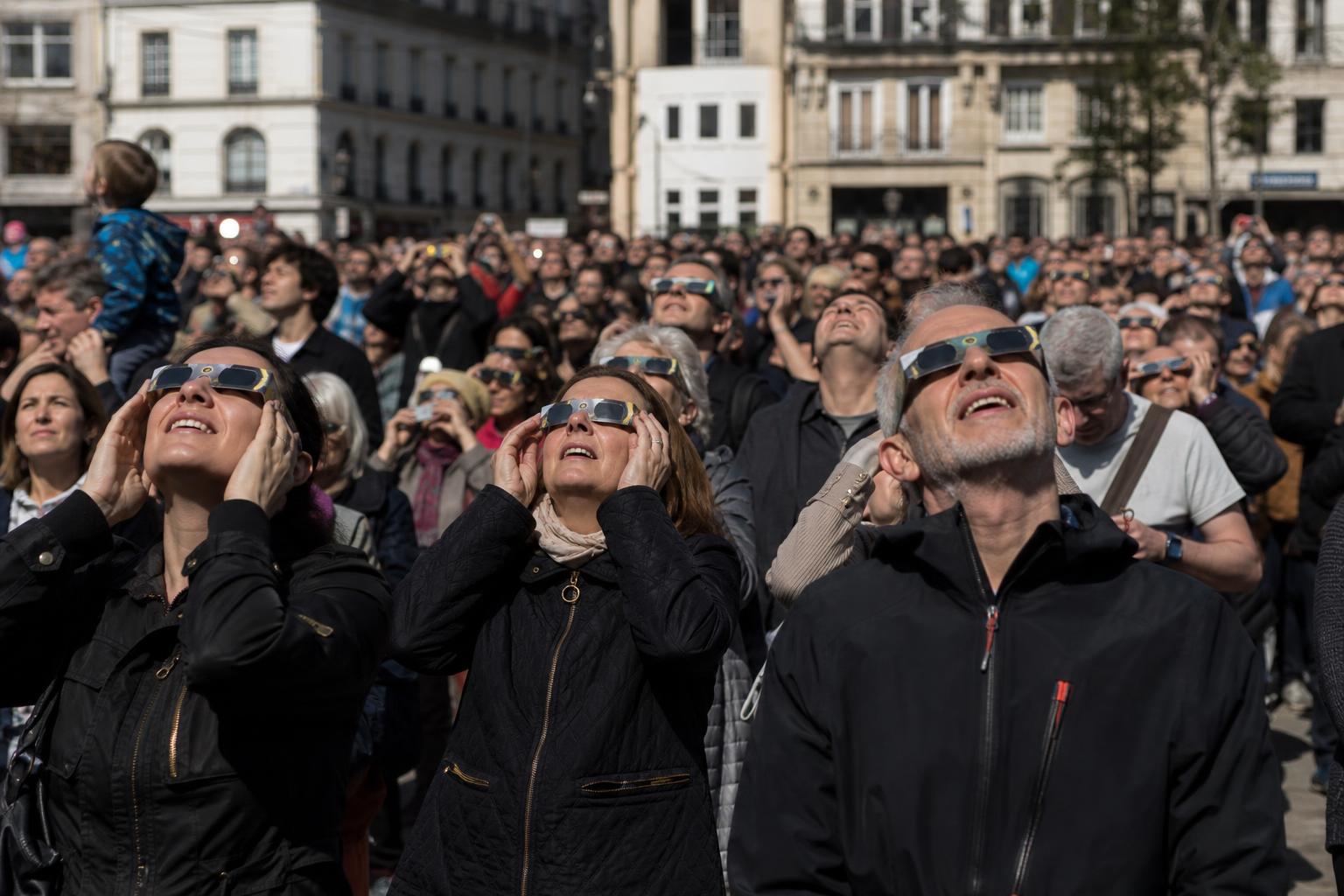
Europe Captivated by Rare Solar Eclipse as Media and Tech Sectors Make Headlines
EUROSMI · 12.08.2026 22:00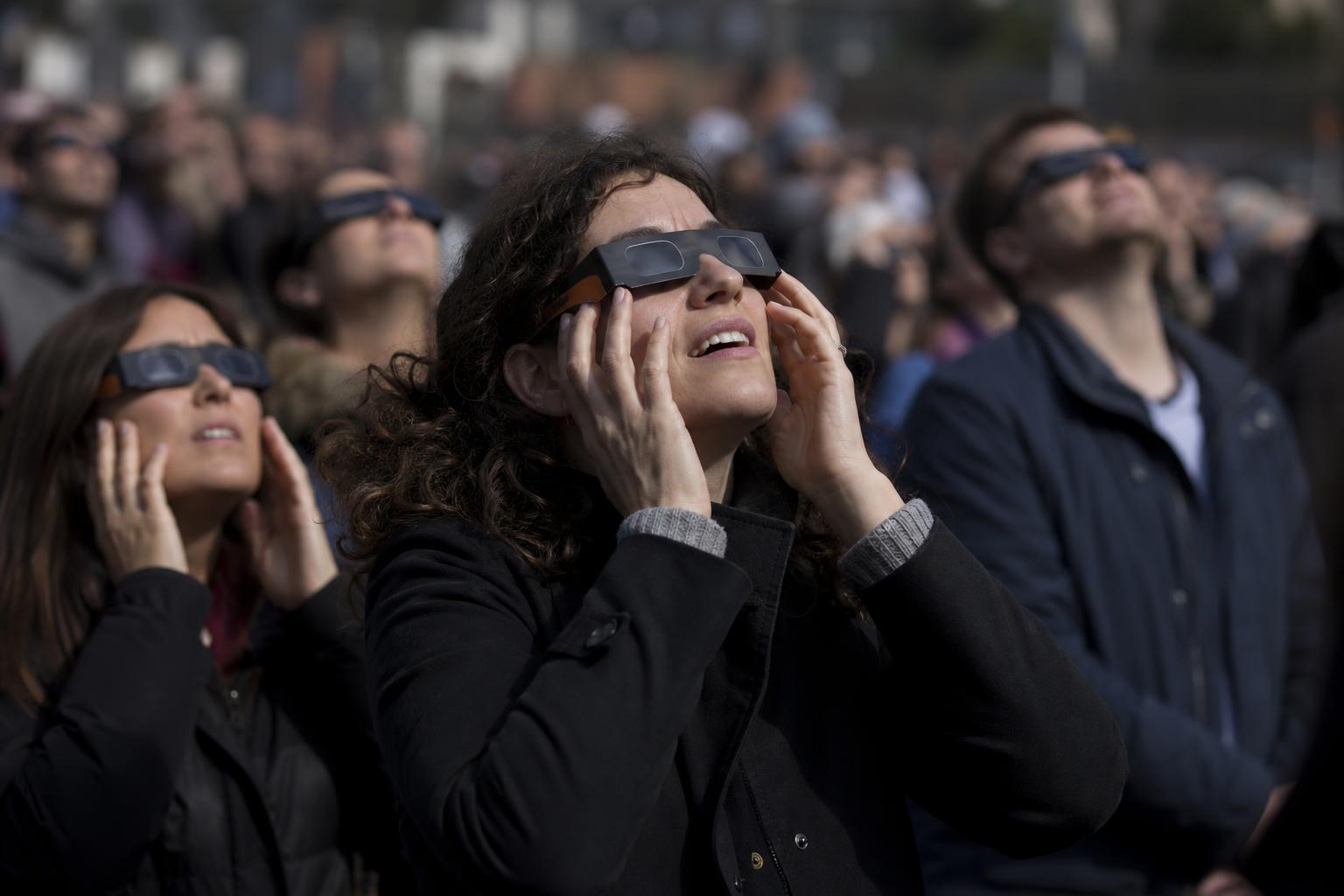
Europe Experiences Solar Eclipse, Google Launches Pixel 11, and Global Tensions Persist
EUROSMI · 12.08.2026 17:00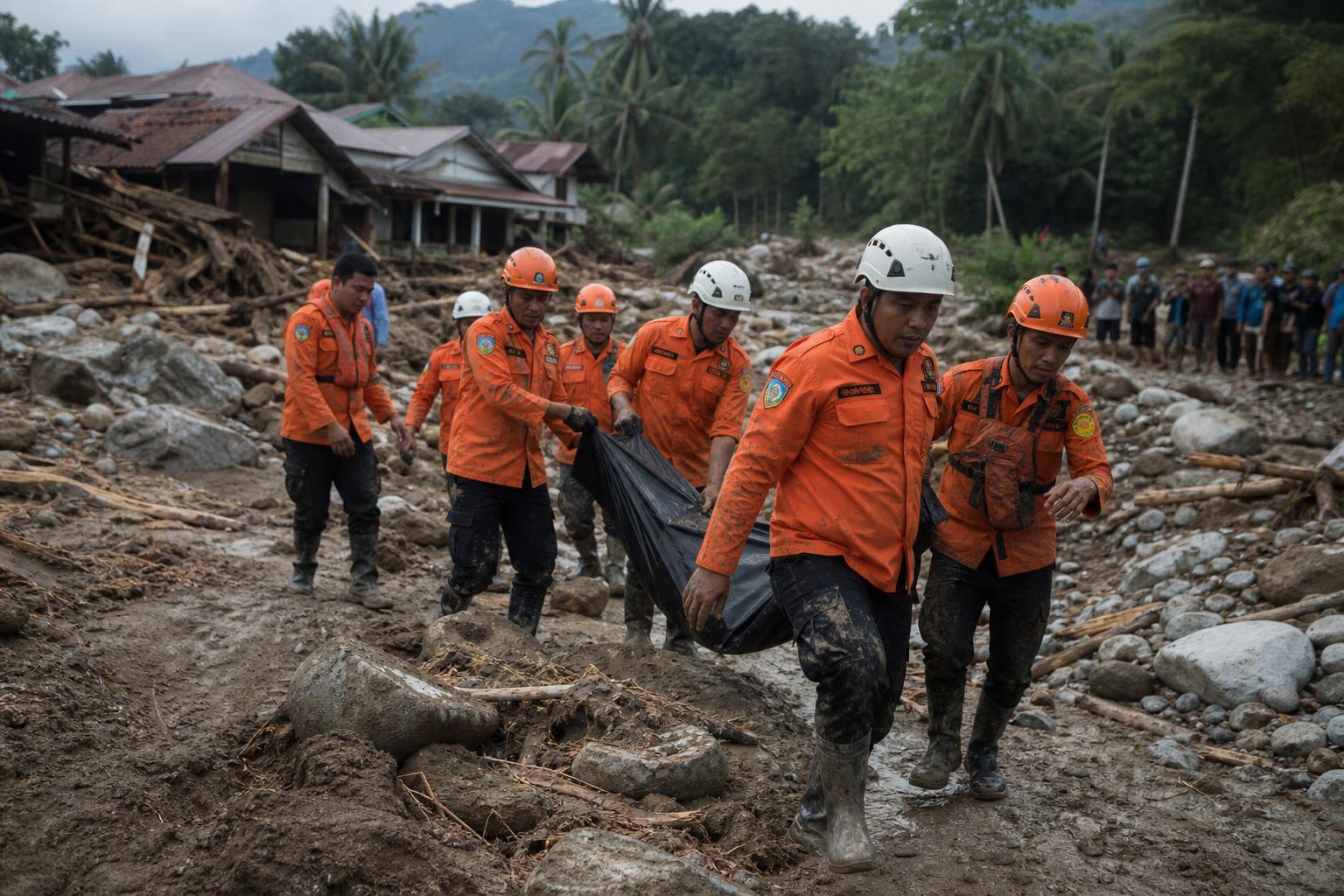
Global crises and celestial events mark August 12, 2026
EUROSMI · 12.08.2026 12:00
Global Tensions and Economic Challenges Mark August 12, 2026
EUROSMI · 12.08.2026 07:00
Global Tech Milestones, Economic Challenges, and Security Concerns Mark August 11, 2026
EUROSMI · 11.08.2026 22:00
Global and European Developments Mark August 11, 2026
EUROSMI · 11.08.2026 17:01
Global Tensions and Cultural Events Mark August 11, 2026
EUROSMI · 11.08.2026 12:00
Trump’s Iran Demands and Global Tensions Mark a Complex Day
EUROSMI · 11.08.2026 07:00
Global Tensions Rise Amid Middle East Strikes, US Political Shifts, and Tech Innovations
EUROSMI · 10.08.2026 22:00
Global Health, Security, and Tech Disruptions Mark August 10, 2026
EUROSMI · 10.08.2026 17:01
Global Tensions and Climate Extremes Mark August 10, 2026
EUROSMI · 10.08.2026 12:00
Europe Faces Record Heatwaves Amid Global Economic and Political Shifts
EUROSMI · 10.08.2026 07:00
Middle East tensions, DRC conflict talks, and tech automation mark global headlines
EUROSMI · 09.08.2026 22:00
Food Safety Concerns, AI Risks, and Cultural Reflections Mark Today's Headlines
EUROSMI · 09.08.2026 17:00
Global Challenges and Developments Mark August 9, 2026
EUROSMI · 09.08.2026 12:00
Europe Faces Heatwave, Political Challenges, and Global Tensions
EUROSMI · 09.08.2026 07:00
Europe Faces Wildfires, Migration Tensions, and Political Challenges
EUROSMI · 08.08.2026 22:00
Global Tensions and Shifts Mark August 8, 2026
EUROSMI · 08.08.2026 17:00
US Invests $400M in Australian Rare Earth Mine Amid Global Supply Concerns
EUROSMI · 08.08.2026 12:00
Novo Nordisk Launches Wegovy in EU Amid Global Political and Social Shifts
EUROSMI · 08.08.2026 09:58
Global Highlights: Health Innovations, Political Shifts, and Social Challenges
EUROSMI · 08.08.2026 09:56Violence in Thailand, Solar Eclipse Draws Tourists, Zelenskyy Visits Serbia
EUROSMI · 08.08.2026 09:43Violence in Thailand, Zelensky’s Serbia Visit, and Spain’s Eclipse Preparations Mark August 8
EUROSMI · 08.08.2026 09:40Australia’s Top Gold Miner Spurns Elliott Push to Revamp Board
Bloomberg · 13.08.2026 08:34Europe’s Latest Heat Wave Set to Peak as Extreme Weather Strains
Bloomberg.com · 13.08.2026 08:32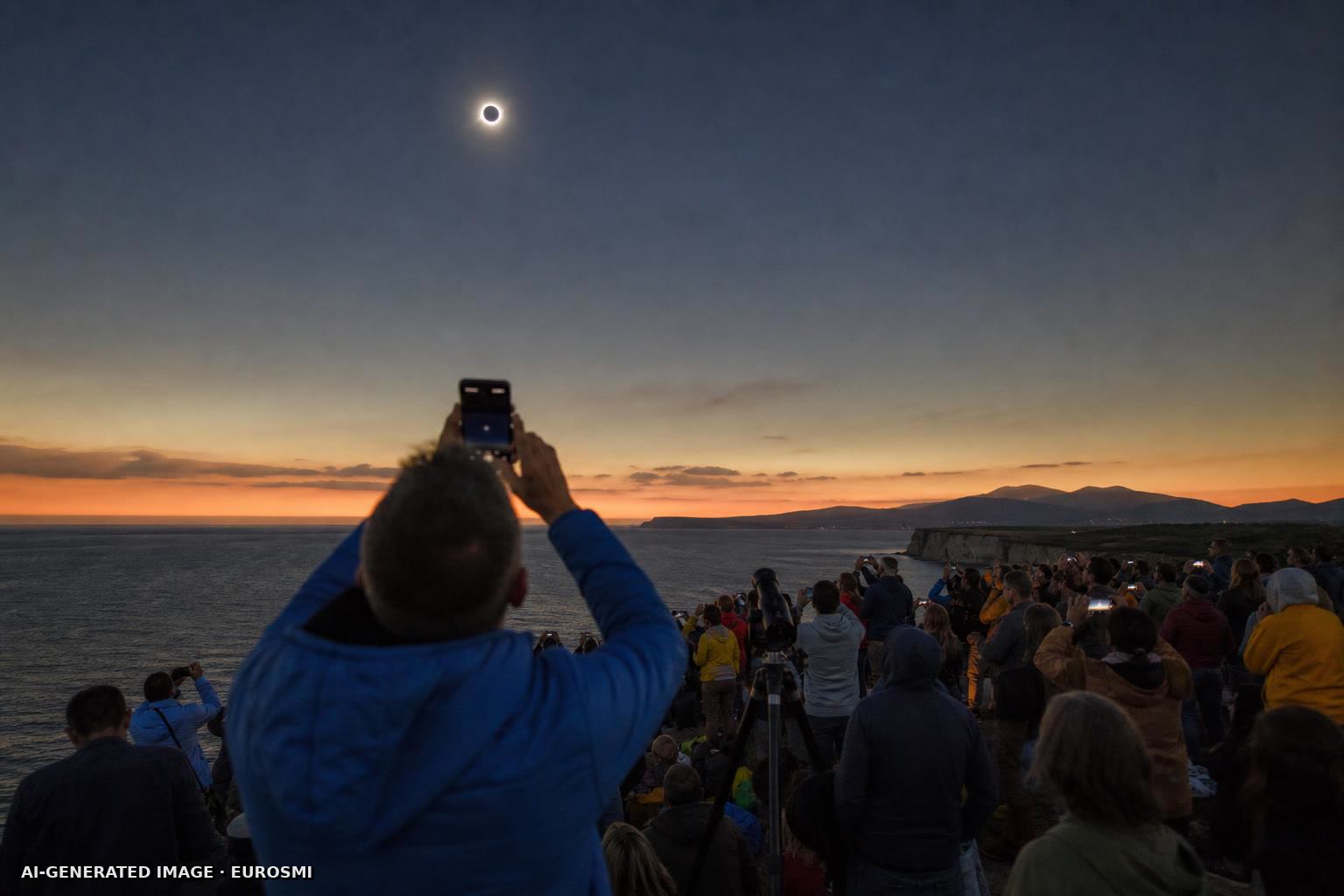
Half a million visitors flock to Spain’s path of total solar eclipse
Euronews · 13.08.2026 08:28Polls open in Zambia presidential election as economic reforms tested
Al Jazeera English · 13.08.2026 08:20