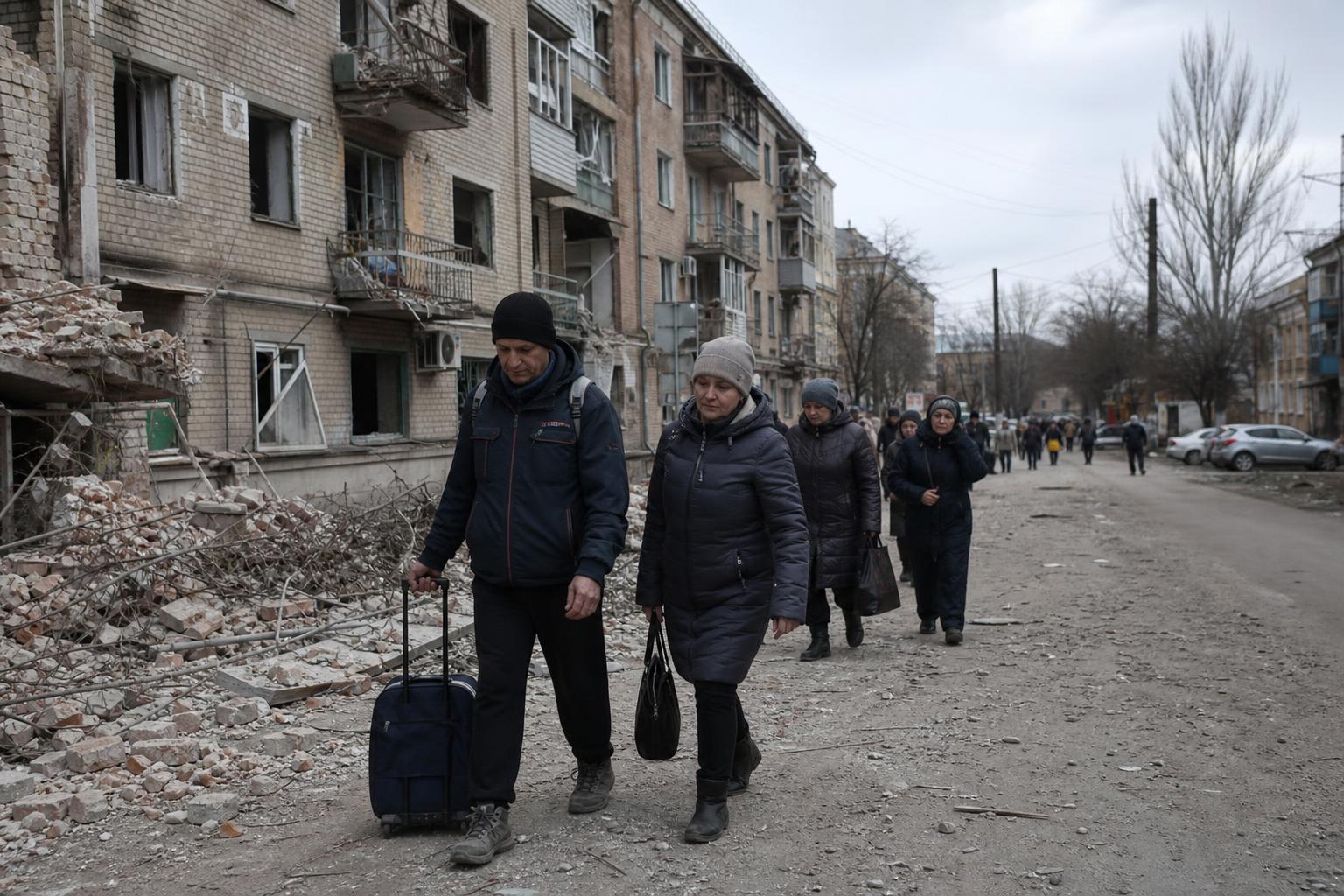
China-Japan Tensions, Climate Impact on French Pools, and US-Iran Missile Claims
An original AI-assisted EUROSMI report based on multiple cited sources.
Recent geopolitical and environmental developments have marked the global news landscape today, reflecting ongoing tensions and pressing societal challenges.
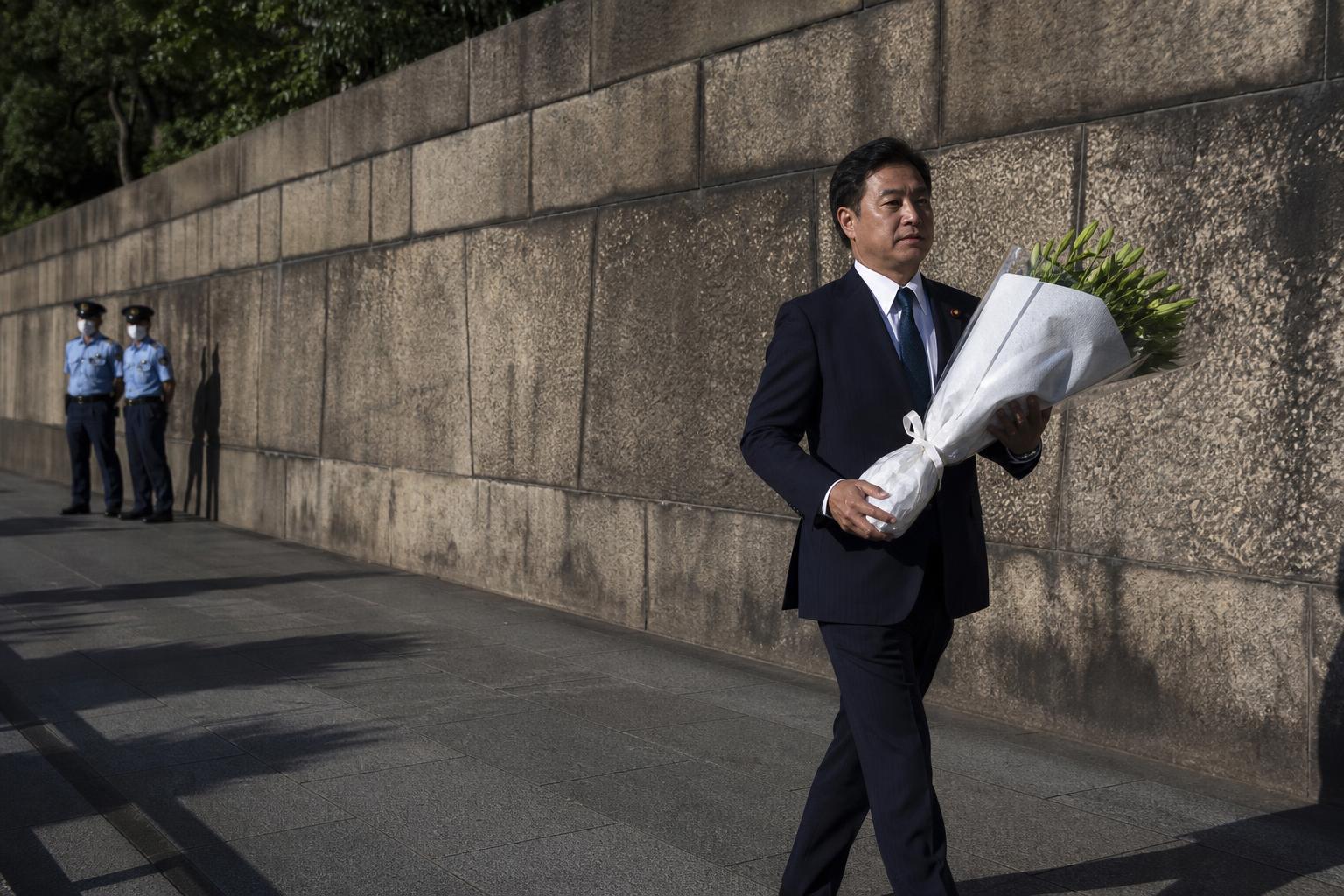
In East Asia, diplomatic strains have intensified following Japan's Prime Minister Sanae Takaichi and Defense Minister Shinjiro Koizumi's actions related to the Yasukuni shrine. The shrine, which commemorates Japan's war dead including convicted war criminals, remains a highly sensitive symbol in the region. China formally protested after the Prime Minister sent an offering and the Defense Minister visited the shrine on the anniversary of Japan's World War II surrender. This act was perceived by China as a provocative gesture that undermines regional reconciliation efforts. The protest underscores the enduring historical grievances and the fragile nature of Sino-Japanese relations, which continue to influence broader East Asian security dynamics.
Turning to Europe, France is grappling with the impact of record-breaking heatwaves on rural communities. Many ageing swimming pools, which serve as vital cooling and recreational spaces for residents, face funding threats that jeopardize their operation. These facilities provide daily refuge from soaring temperatures, especially in countryside areas where alternative cooling options may be limited. The potential loss of these pools raises concerns about public health and social cohesion in rural France. The situation highlights the broader challenges posed by climate change, emphasizing the need for sustainable investment in community infrastructure to adapt to increasingly extreme weather conditions.
In the Middle East, the United States has claimed to have significantly degraded Iran's ballistic missile capabilities. However, this assertion has been met with skepticism from experts, including a former White House adviser who described the claim as unrealistic. The debate reflects the complexity of assessing military capabilities and the challenges inherent in intelligence and strategic communication. This discourse occurs against a backdrop of ongoing tensions between the US and Iran, where missile programs remain a critical point of contention affecting regional stability.
These three distinct developments—geopolitical tensions in East Asia, climate-induced societal challenges in Europe, and military capability disputes in the Middle East—illustrate the multifaceted nature of today's global issues. Each situation involves a combination of historical context, current policy decisions, and future implications that require careful analysis.
The diplomatic friction between China and Japan over the Yasukuni shrine visit exemplifies how historical memory continues to shape present-day international relations. The formal protest by China signals that unresolved historical wounds can quickly escalate into diplomatic confrontations, potentially affecting cooperation on broader regional matters such as trade and security.
France's struggle to maintain rural swimming pools amid heatwaves points to the tangible effects of climate change on everyday life. It also raises questions about governmental priorities and resource allocation in supporting vulnerable communities. Ensuring access to cooling infrastructure is increasingly recognized as a public health necessity, particularly as heatwaves become more frequent and severe.
Meanwhile, the contested narrative around the US's impact on Iran's missile capabilities highlights the role of information and perception in international security. Discrepancies between official claims and expert assessments can influence public opinion and diplomatic postures, complicating efforts to manage conflicts and negotiate arms control.
In summary, today's news reflects ongoing challenges at the intersection of history, environment, and security. Understanding these issues requires separating factual events from interpretive commentary and recognizing the distinct contexts in which they unfold. Policymakers and observers must navigate these complexities to foster stability, resilience, and informed dialogue on the global stage.
Sources used
AI Summary
The AI analysis uses published sources only. It may contain errors and does not replace the original report. How AI is used →
China protests Japan's political visits to Yasukuni shrine amid historical sensitivities. Meanwhile, France faces challenges in maintaining rural pools as heatwaves intensify, and US claims on Iran's missile capabilities face skepticism.
The significance of this report depends on the decisions, official reactions or confirmation that follow. The current assessment is initially based on reporting by EUROSMI.
Readers should distinguish established facts from initial claims. Practical consequences will become clearer through responses from authorities, markets or independent sources.
Watch for official statements, independent confirmation of the key details and updates to the original report.
The analysis is limited to the facts in this report. Other stories in the same category are not presented as independent confirmation.
15.08.2026 07:00 — EUROSMI. Further confirmed developments will be added as they become available.
Ask AI
Latest news
Show more →
Post-Strike Film Releases Boost Cinema Demand Amid Global Developments
EUROSMI · 21.08.2026 12:00
Global Tensions Rise Amid Political Crackdowns and Economic Shifts
EUROSMI · 21.08.2026 07:00
Global Markets, Media, and Geopolitics Highlight August 20, 2026
EUROSMI · 20.08.2026 22:00
Global Tensions and Technological Advances Mark August 20, 2026
EUROSMI · 20.08.2026 17:00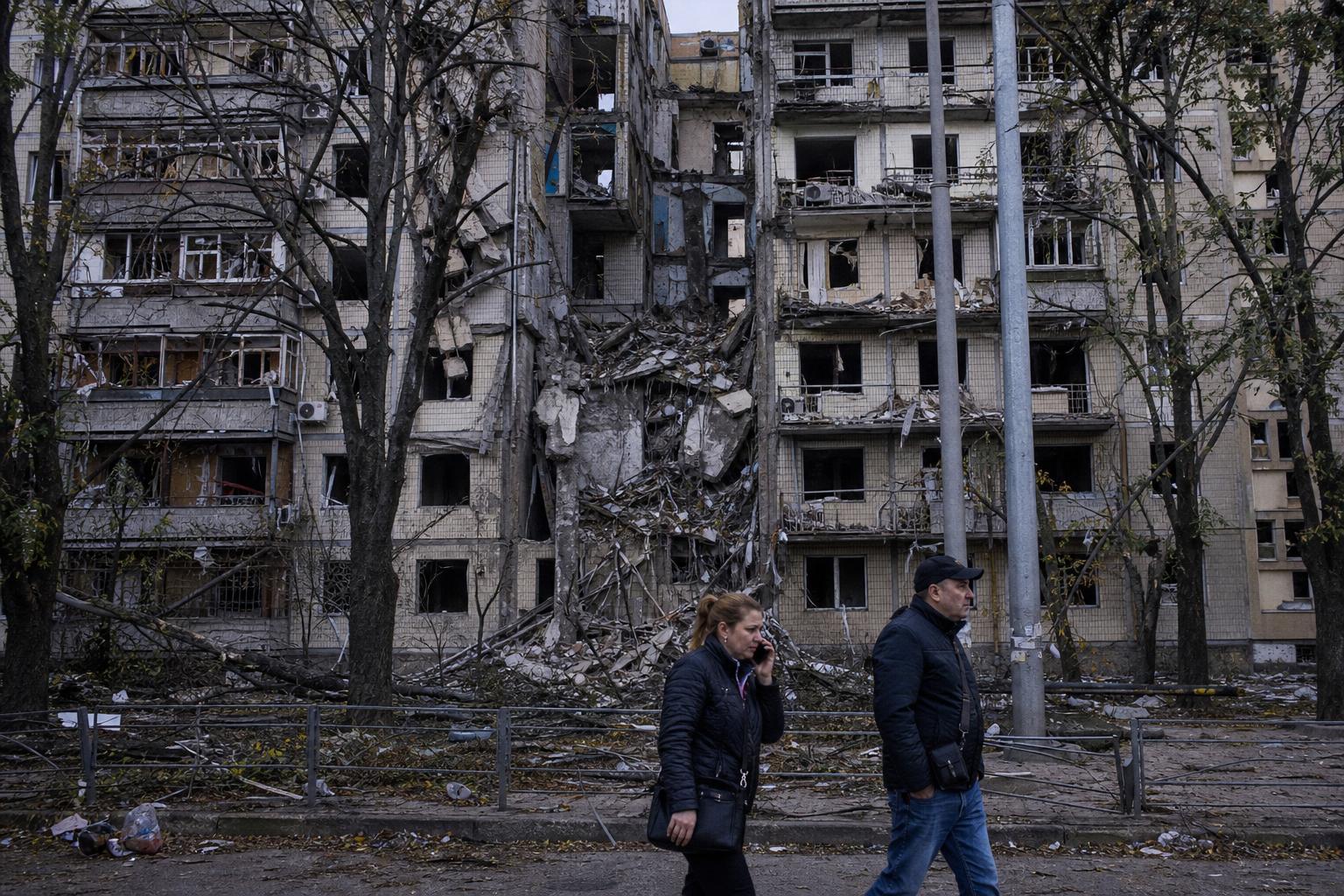
Global tensions rise as Kyiv faces deadly attacks amid evolving international justice and tech advances
EUROSMI · 20.08.2026 12:01
Global Tensions Rise Amid Economic Threats and Military Probes
EUROSMI · 20.08.2026 07:00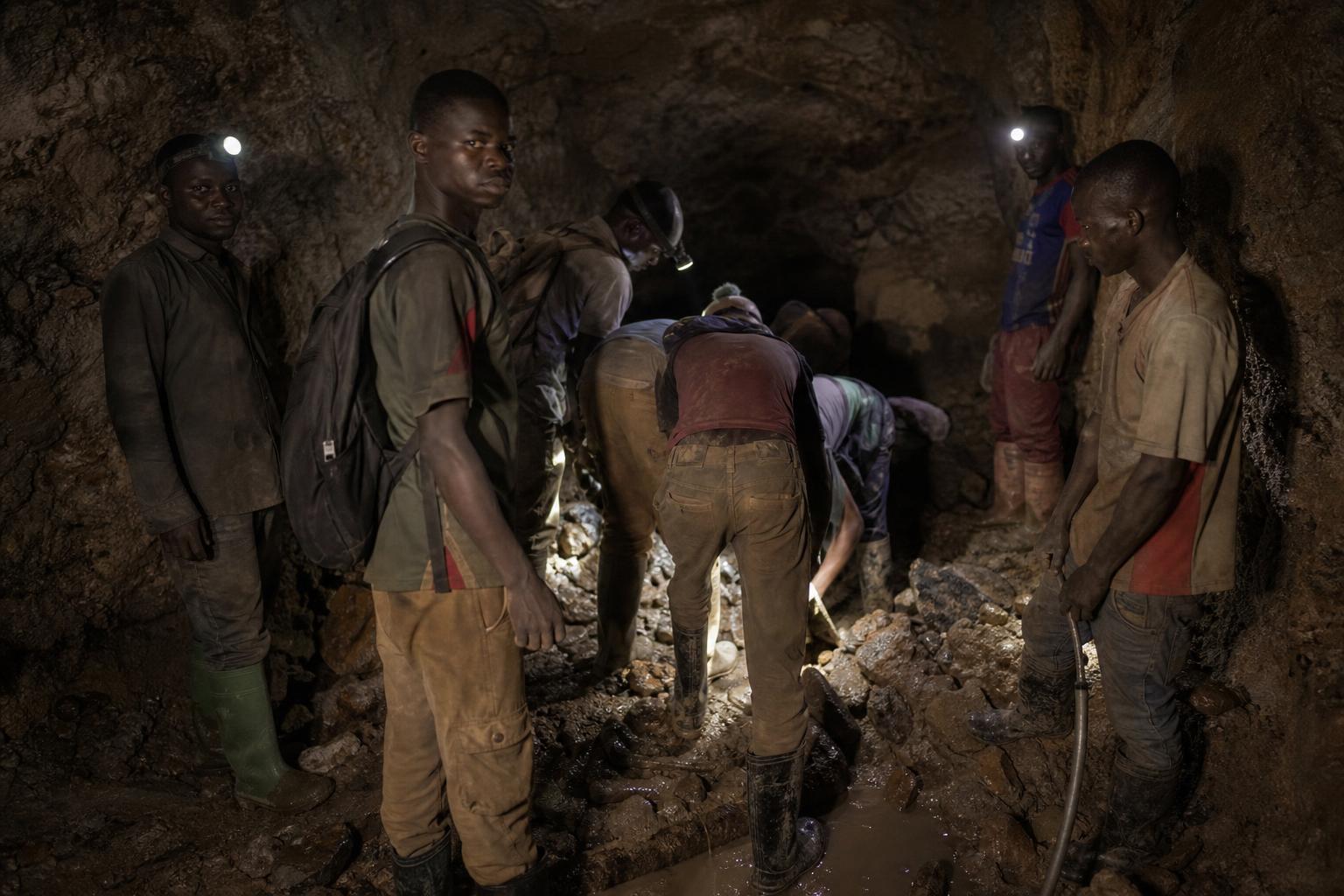
Tragedies in Africa and Asia, Shein’s IPO, and AI Skepticism Mark Global News
EUROSMI · 19.08.2026 22:00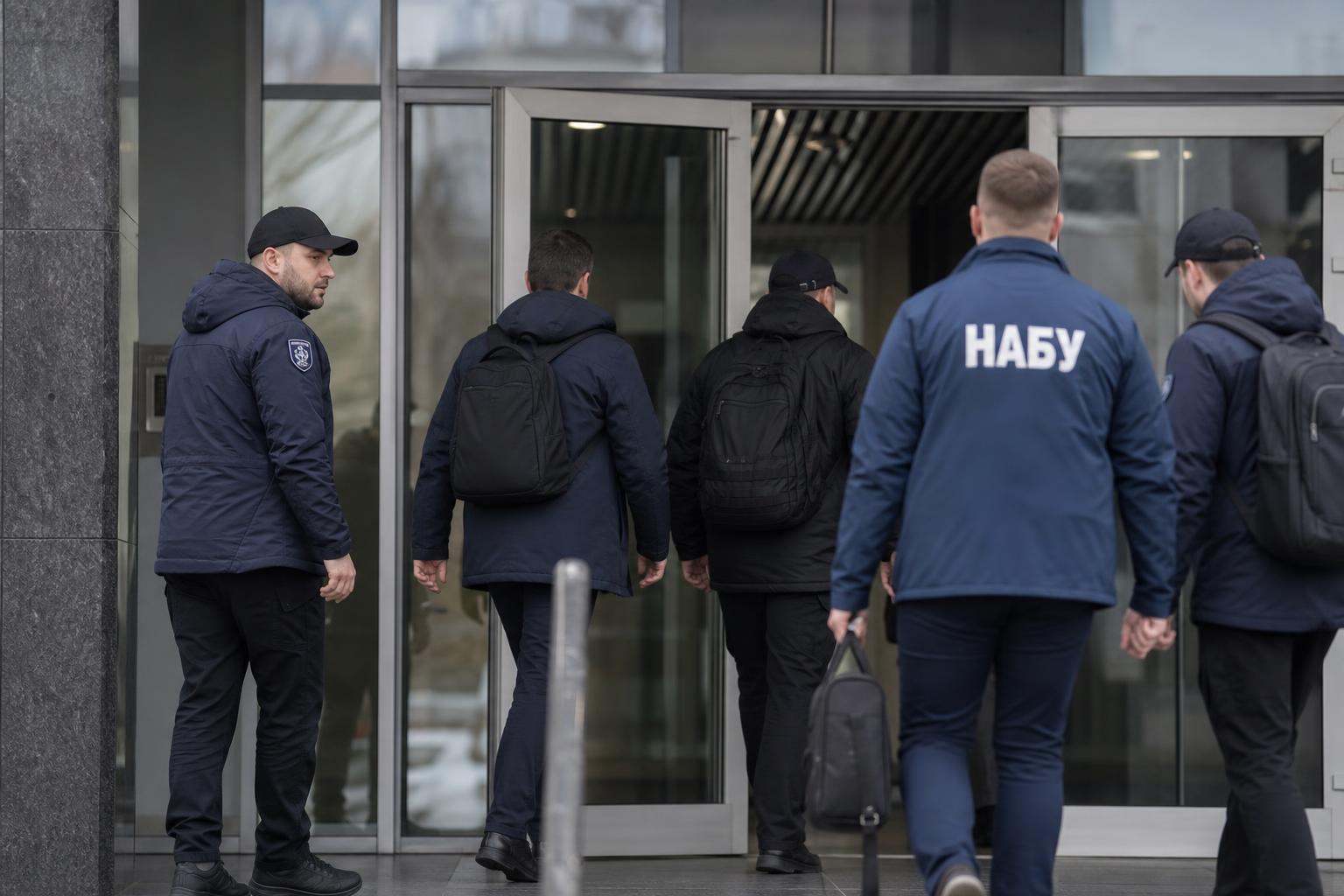
Ukraine Corruption Probe, Premier League Outlook, and APCOA Sale Considered
EUROSMI · 19.08.2026 17:00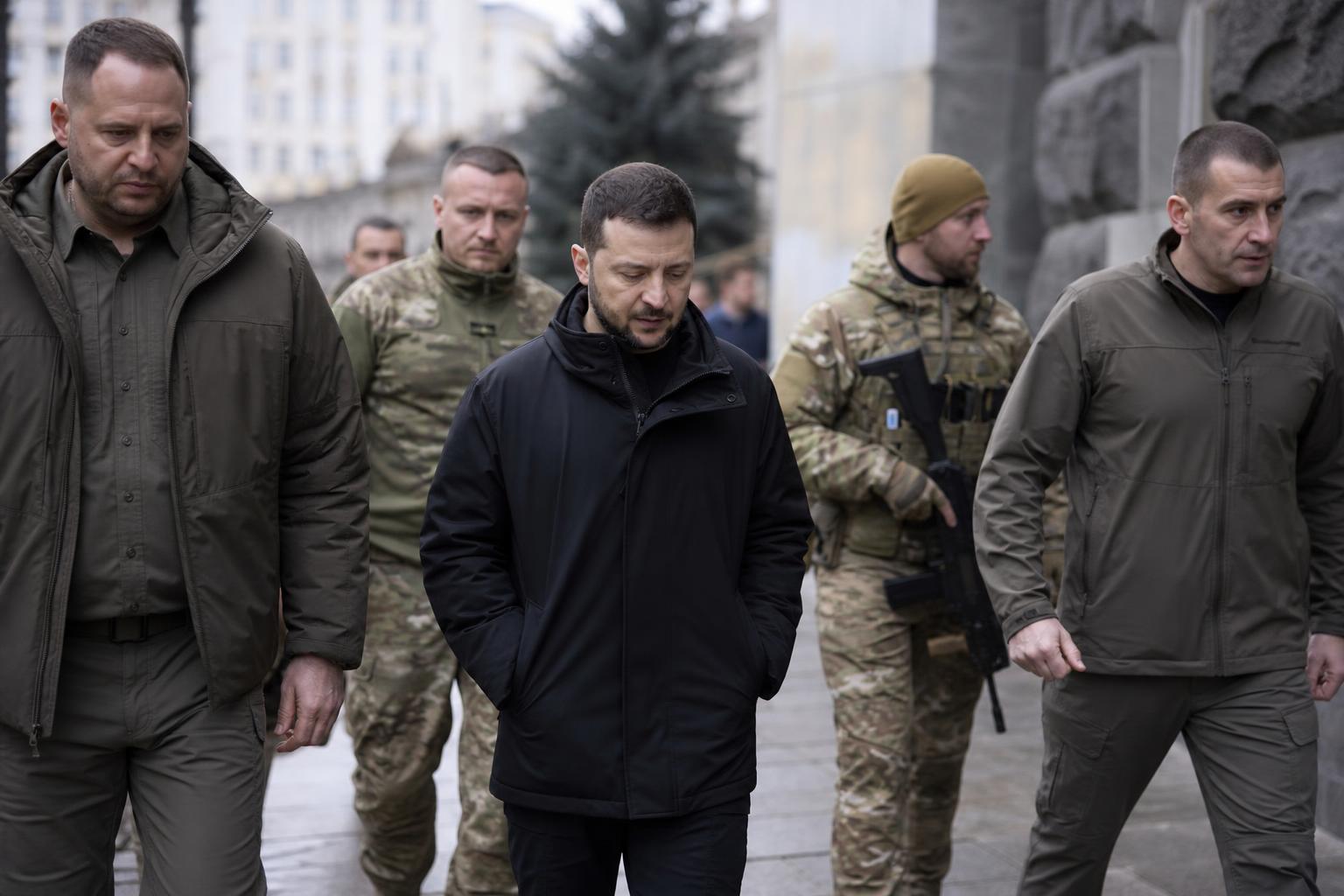
Ukraine Anti-Corruption Efforts Intensify Amid Political Turmoil
EUROSMI · 19.08.2026 12:00
Global Tensions and Market Shifts Mark August 19, 2026
EUROSMI · 19.08.2026 07:00
Global Tensions and Tech Security Dominate Headlines on August 18, 2026
EUROSMI · 18.08.2026 22:00
Global Markets, Sports, and Energy Innovations Mark August 18, 2026
EUROSMI · 18.08.2026 17:00
Russia Condemns UK Drone Support as European Markets Face New Challenges
EUROSMI · 18.08.2026 12:00
Zambia Reelects Hichilema Amid Regional Tensions and Global Tech Advances
EUROSMI · 18.08.2026 07:00
Global tensions rise amid Gaza aid efforts and US-Iran standoff
EUROSMI · 17.08.2026 22:00
Europe Faces Wildfires and Political Shifts Amid Global Economic and Social Developments
EUROSMI · 17.08.2026 17:00
Europe Faces Wildfires and Geopolitical Tensions Amid Economic Shifts
EUROSMI · 17.08.2026 12:00
Global Tensions and Market Shifts Mark August 17, 2026
EUROSMI · 17.08.2026 07:00
Escalating Conflicts and Environmental Crises Mark a Troubled Day Globally
EUROSMI · 16.08.2026 22:00
Europe Faces Wildfires and Art Theft Amid Global Tragedies and Market Shifts
EUROSMI · 16.08.2026 17:00
Europe’s Heatwaves Disrupt Economy Amid Global Political and Security Challenges
EUROSMI · 16.08.2026 12:00
Drone Attacks, Natural Disasters, and Military Clashes Mark a Turbulent Day Globally
EUROSMI · 16.08.2026 07:00
Liechtenstein’s Succession Reform and Global Crises Mark August 15, 2026
EUROSMI · 15.08.2026 22:00
Tragic Losses and Global Shifts Mark Today's Headlines
EUROSMI · 15.08.2026 17:00Indonesia rocked by powerful earthquake amid global challenges
EUROSMI · 15.08.2026 12:00
Market Cautions and Legal Developments Shape Today's Global Outlook
EUROSMI · 14.08.2026 22:00
Global Tensions and Environmental Crises Mark August 14, 2026
EUROSMI · 14.08.2026 17:00
Environmental and Political Turmoil Mark Global Headlines
EUROSMI · 14.08.2026 12:00
Global Tensions Rise Amid Military Shifts and Trade Disputes
EUROSMI · 14.08.2026 07:00